
In about a week or so, one of my favourite, highly anticipated natural events of the summer starts to occur. The milkweed comes into bloom. The flowers of Common Milkweed (Asclepias syriaca) are exquisite, delicate things that are a delight to the eye and the nose. In an umbrella-like cluster, they have five backward-pointing petals on top of which are set pale purple/pinkish cups or hoods, each with an upcurved horn in the centre.
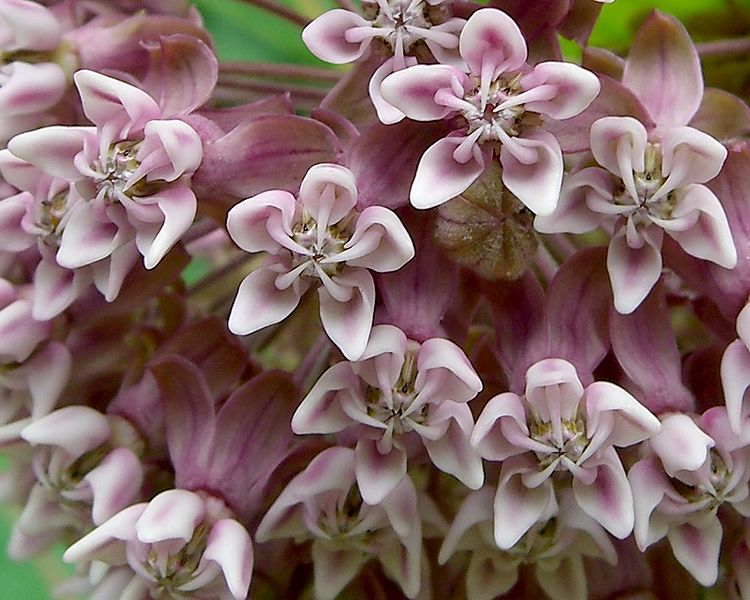
Image Source: Wikimedia Commons
To stand in a large patch of blooming milkweed on a hot summer’s day, breathing in the sweet, candy-like scent, closing your eyes and surrendering to the moment, is to be transported to a dreamy, swoony kind of place. I highly recommend it.
If you’re not into dreamy and swoony that’s ok. Milkweed pleases the palate just as much as the sniffer. With at least four different edible parts throughout the growing season, milkweed gives generously to the cooking pot for many months. Right now it’s all about the unopened flower buds.*
If you’re not into dreamy and swoony that’s ok. Milkweed pleases the palate just as much as the sniffer. With at least four different edible parts throughout the growing season, milkweed gives generously to the cooking pot for many months. Right now it’s all about the unopened flower buds.*
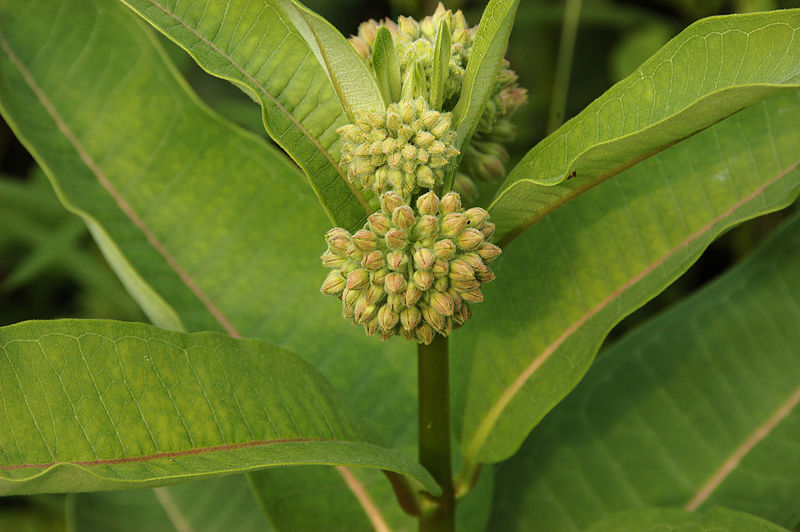
Image Source; Wikimedia Commons
Gather one or two flower clusters per plant, leaving enough for other creatures, for the plant to produce yummy pods that you can come back and harvest later, and of course enough to go to seed so milkweed can continue to thrive. (It’s a highly noxious weed or precious species depending on whether you are talking to a farmer or a monarch butterfly loving conservationist. It’s a native plant, common and widespread, from which I harvest somewhat freely but conscientiously, carefully observing my harvest patches for overall health, signs of stress or declining population.) If you don’t want to get your fingers coated in the sticky, white latex, wear gloves. I don’t bother, because then I have to deal with sticky gloves. I’ll wash my hands far sooner than the gloves.
Once home, set the flowerbuds in a bowl of cold water to remove dust, dirt or critters. Now you have options. Steamed or boiled until tender they can be eaten as is, lightly seasoned or added to stir-fries, pasta dishes and the like. I’ve pickled them in the past, using the 3 Foragers’ recipe for Milkweed Flowerbud Capers. Very yum.
For the two plant walks I gave last week I opted for a quick and easy finger food that I knew was sure to please. I made milkweed fritters.
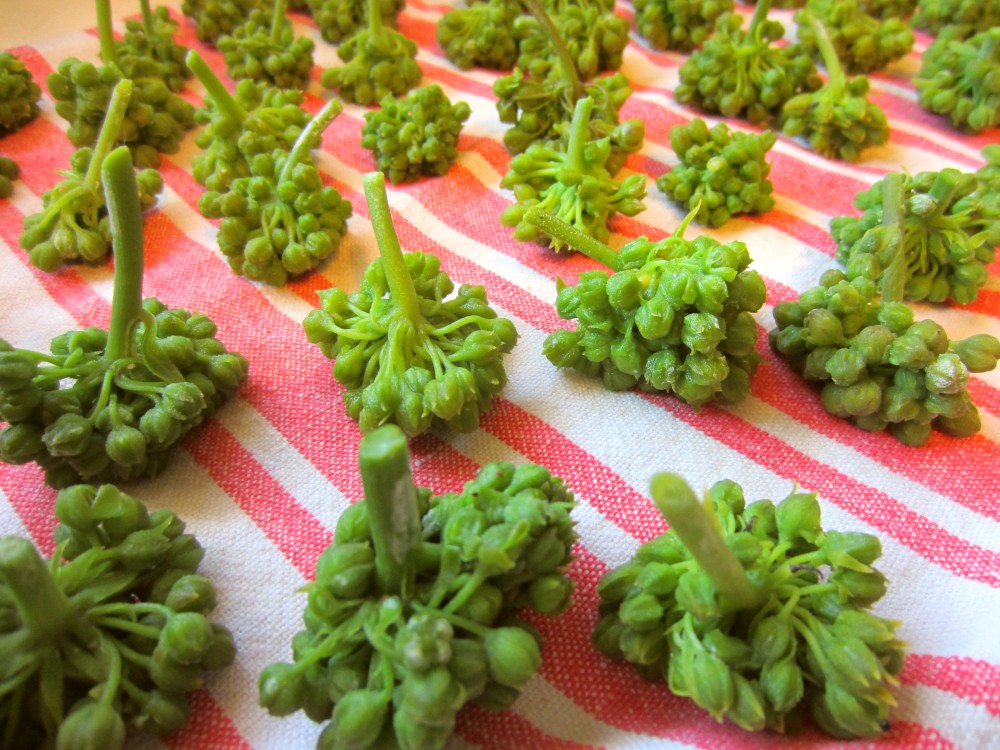
Bring a pot of water to a boil and add your milkweed flowerbuds. When water then returns to a boil start your timer for 5 minutes. When the timer goes off remove the milkweed into a bowl of icy cold water to stop the cooking process. Drain and gently press out excess water. Spread on a clean towel to dry.
Once home, set the flowerbuds in a bowl of cold water to remove dust, dirt or critters. Now you have options. Steamed or boiled until tender they can be eaten as is, lightly seasoned or added to stir-fries, pasta dishes and the like. I’ve pickled them in the past, using the 3 Foragers’ recipe for Milkweed Flowerbud Capers. Very yum.
For the two plant walks I gave last week I opted for a quick and easy finger food that I knew was sure to please. I made milkweed fritters.
Bring a pot of water to a boil and add your milkweed flowerbuds. When water then returns to a boil start your timer for 5 minutes. When the timer goes off remove the milkweed into a bowl of icy cold water to stop the cooking process. Drain and gently press out excess water. Spread on a clean towel to dry.
Then prepare your batter. I cheated and purchased a pre-made, organic, gluten-free batter mix that called for a cup of mix, one egg and club soda. It was easy. I like easy. So use your grandma’s favourite from scratch batter recipe, or cheat like me and buy something pre-made; I’m sure a pancake or tempura batter would work great. If anyone questions it, just tell them it’s how you roll. But be prepared to get funny looks if ‘that’s how I roll’ is no longer in the popular lexicon. I think I might be beyond the age to know about those kinds of things and can’t be trusted as a source of contemporary slang. YOLO!
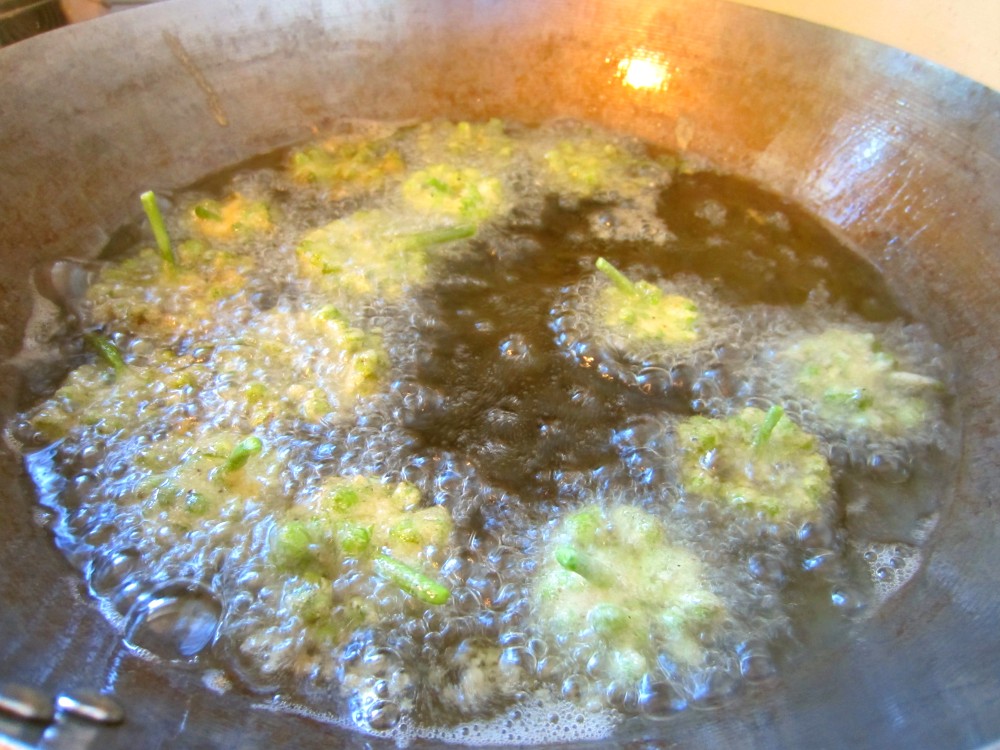
In a pot or wok, heat a good quality, high-heat oil to 375F. Dip your flowerbuds in the batter. If you harvested them with a bit of stem, it makes for easy handling. Into the oil they go! Deep fry until golden brown, remove with a slotted spot and allow to drain on, well if you’re like me and think paper towels are the devil, then use recycled, plain newsprint that comes as packaging for things, that you can then compost. Just do what feels right!
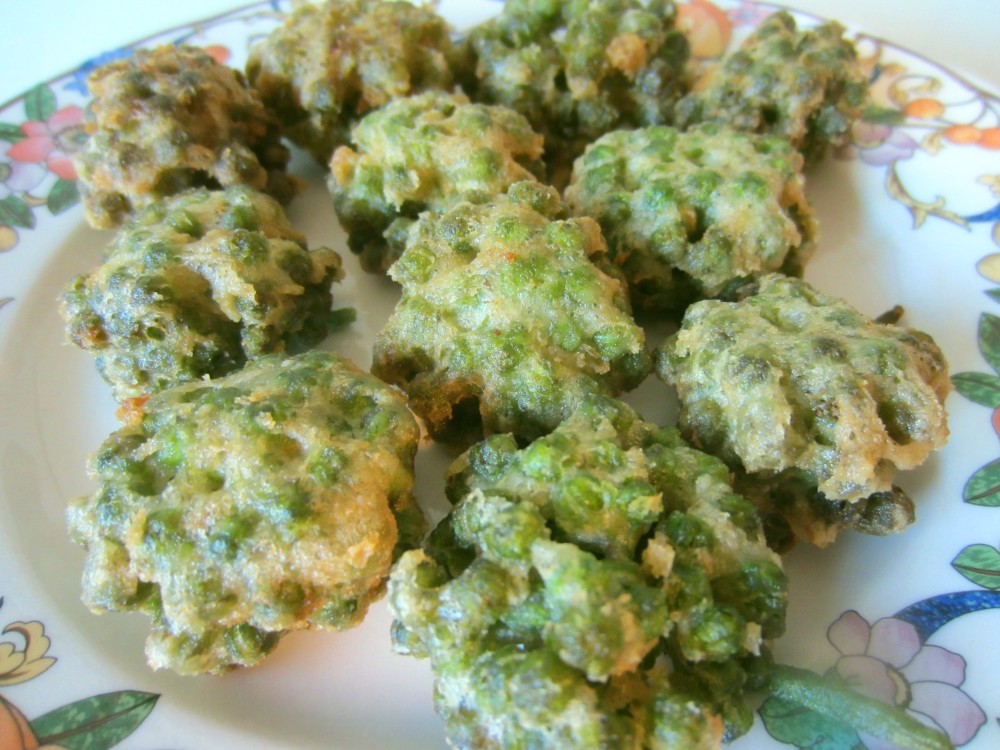
The important thing is, now you have crunchy, fluffy, tasty milkweed flowerbud fritters to impress your friends with! Dust with salt and pepper and serve forthwith.
*Not all milkweed species are edible and some are toxic. Stick with the Common Milkweed, Asclepias syriaca.
*Not all milkweed species are edible and some are toxic. Stick with the Common Milkweed, Asclepias syriaca.













 RSS Feed